
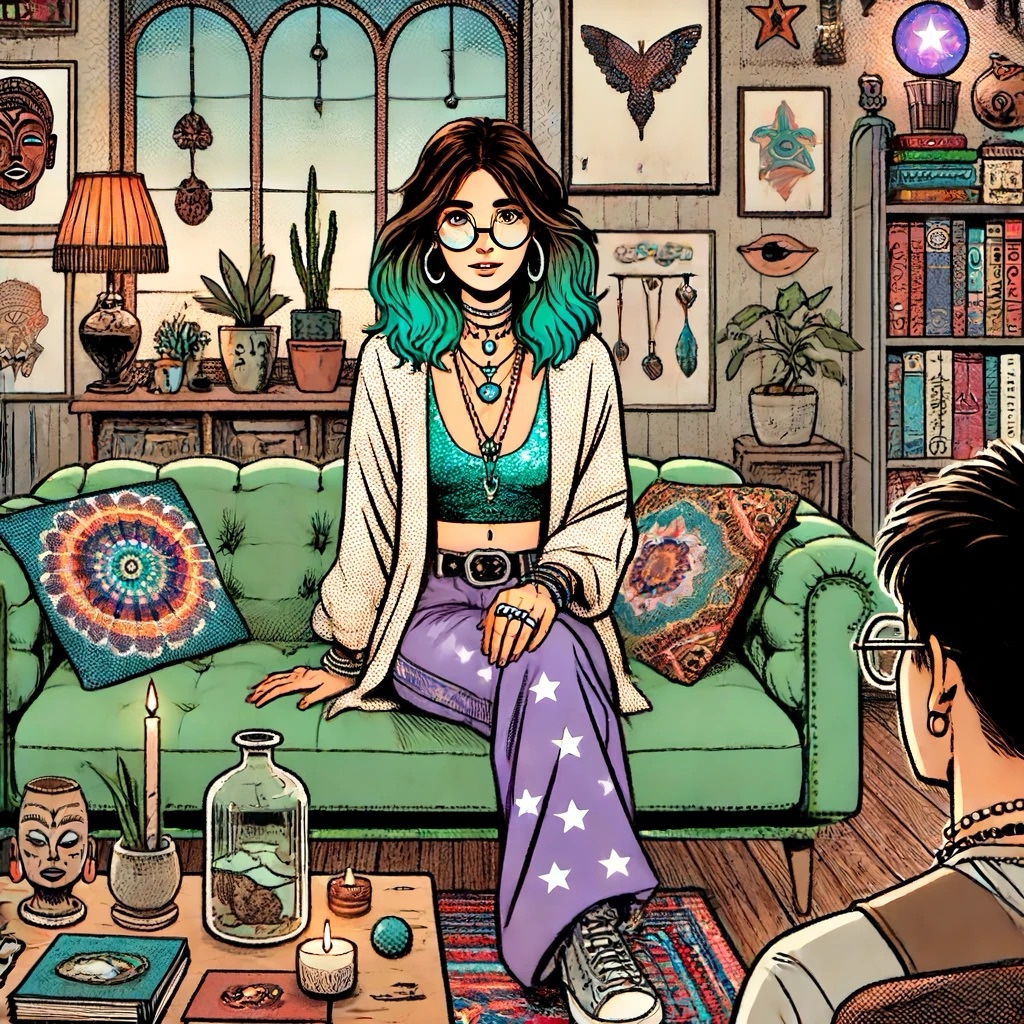
Hey there, fellow mental health warriors!
As a mental health practitioner committed to providing inclusive and culturally sensitive care, I believe it’s crucial to reflect on the historical and cultural contexts that shape our practices. Today, I want to explore the complex issue of colonialism in mental health, a topic I approach with respect and a desire to learn. By understanding and addressing these issues, we can enhance our cultural competence and provide better care to all our clients.
In this journey, I look to the wisdom of cultural icons like Black Panther, T’Challa. His story powerfully reminds us of the importance of cultural identity, resistance against oppression, and the harmony between tradition and innovation.
The Colonial Legacy in Mental Health
Just like Wakanda, hidden and misunderstood by the outside world, the roots of modern mental health practices are deeply embedded in Western culture. While these foundations have brought many advancements, they’ve also come with a heavy dose of cultural imposition. For too long, Western models of mental health have been considered the gold standard, often overshadowing and undervaluing non-Western approaches.
This colonial mindset has led to several issues:
– Cultural Imposition: Applying Western mental health models across diverse cultural contexts without adaptation can lead to misunderstandings and misdiagnoses.
– Pathologizing Indigenous Practices: Traditional healing methods are sometimes dismissed as primitive or unscientific, erasing valuable cultural knowledge.
– Power Dynamics: The dominance of Western perspectives can create power imbalances, alienating non-Western clients and communities.
Moving Toward Decolonized Mental Health Practice
So, how do we break free from this colonial framework and create a more inclusive, culturally sensitive practice? Let’s take some lessons from T’Challa’s journey:
1. Educate Ourselves: Just as T’Challa learns from both his ancestors and the modern world, we should learn about the history of colonialism in mental health. Understanding this context is the first step toward change. Read books, attend workshops, and engage in discussions that broaden your perspective.
2. Embrace Cultural Competence: Develop skills to understand and respect cultural differences. This means being open to learning from your clients about their cultural backgrounds and incorporating their beliefs and practices into treatment plans.
3. Validate Indigenous Practices: Recognize and respect traditional healing practices. These methods have sustained communities for generations and offer valuable insights into holistic health.
4. Advocate for Change: Use your voice to promote policies that support culturally diverse approaches to mental health. This might include advocating for more inclusive diagnostic criteria or supporting research that explores non-Western healing practices.
5. Collaborate and Consult: Work with cultural consultants or collaborate with practitioners from different backgrounds. This can provide you with deeper insights and help you tailor your approach to meet the needs of diverse clients.
Personal Reflection and Experience
Growing up, I heard oral stories about my relation to the Powhatan and Cherokee tribes, believing I was blood-related. However, when I got my DNA tested, it showed no apparent linkage. This discovery felt like a betrayal and caused a reshuffling of how I identified myself. It led to feelings of confusion and a deep questioning of my identity. Later, I learned about the reasons my DNA might not have shown this link, which unlocked a new understanding and provided a sense of reconciliation with my cultural identity.
While I present as a white woman, this experience gave me a glimpse into how one may experience the complexities of cultural identity and historical erasure. It highlighted the emotional challenges that come with navigating identity, especially when faced with systemic erasure. Although my experience is not the same as those who directly face the impacts of colonialism, it has deepened my empathy and commitment to providing culturally competent care.
I share this to recognize my motivation within such an important topic and to underscore the importance of continuous learning and advocacy. I am dedicated to listening, learning from those with firsthand experiences, and advocating for the validation of all cultural identities in mental health practice.
Practical Tips for Everyday Practice
Let’s bring this down to the day-to-day level. Here are some practical tips to help you incorporate a decolonized approach in your practice, inspired by Black Panther’s wisdom:
– Listen Actively: When working with clients from different cultural backgrounds, listen more than you speak. Let them teach you about their experiences and perspectives.
– Ask Open-Ended Questions: Encourage clients to share their cultural beliefs and practices. Questions like, “Can you tell me about any traditional practices your family uses for healing?” can open up valuable dialogue.
– Use Inclusive Language: Be mindful of the language you use. Avoid jargon that might not resonate with your clients and instead opt for terms that are more inclusive and understandable.
– Create a Welcoming Environment: Make your practice a safe space for all clients. This might include displaying culturally diverse artwork, offering resources in multiple languages, or celebrating cultural holidays and events.
Real-World Impact
Consider the story of a client we’ll call “Tessa.” Tessa grew up in a community with strong traditional healing practices. By acknowledging and incorporating her cultural background into our sessions, we were able to build a stronger therapeutic alliance. Tessa felt seen and valued, which significantly improved her engagement and outcomes in therapy.
Further Learning Resources
– Books: “Decolonizing Methodologies” by Linda Tuhiwai Smith and “My Grandmother’s Hands” by Resmaa Menakem.
– Workshops: Attend cultural competence workshops offered by organizations like the National Alliance on Mental Illness (NAMI).
– Articles: Read up on cultural competence in mental health journals.
Reflect and Act
Take a moment to reflect on your practice. How culturally competent do you feel? What steps can you take to improve? Here’s a simple self-assessment question to start: “How often do I consider my client’s cultural background when planning their treatment?”
Embracing the Journey
Decolonizing our mental health practices is a journey, not a destination. It requires ongoing learning, humility, and a commitment to making meaningful changes. I am dedicated to listening, learning, and advocating for a more inclusive mental health landscape. By embracing cultural competence and inclusivity, we can build stronger connections with our clients, provide more effective care, and contribute to a more just and equitable mental health practice.
Let’s begin this journey together. Let’s challenge the status quo, honor the rich tapestry of human experiences, and create a mental health practice that truly supports and uplifts everyone. Together, we can make a difference in building a more just and equitable mental health landscape.
Stay curious, stay compassionate, and keep making a difference.
Call to Action
Reflect on your own practices and consider how you can start making changes today. Share your experiences and join the conversation on how we can collectively move toward a decolonized mental health practice.
Written by Jen Hyatt, a licensed psychotherapist at Storm Haven, Counseling & Wellness in Temecula, California.
Disclaimer: The information provided in this blog post is for educational and informational purposes only and should not be considered as professional mental health advice.
Disclaimer: References to Black Panther, T’Challa, and associated characters are used purely for illustrative and educational purposes in this blog post. This post is not affiliated with or endorsed by Marvel Comics, Marvel Studios, or their affiliates. All trademarks and copyrights belong to their respective owners. The content of this blog post is for informational purposes only and is not intended as professional mental health advice.




 The Nerdie Therapist
Leave a comment